Boreal Network

Aerial view of a fog-covered forest with vibrant fall foliage in Norrbotten County, Sweden.

Sustainable Forestry in the Boreal Forest: Can We Have Our Trees and Keep Them Too?

The boreal forest is a vital source of timber, providing jobs and economic benefits for communities across the northern hemisphere. But logging, if not done responsibly, can have devastating consequences for this fragile ecosystem. So, how do we balance our need for wood with the need to protect the boreal forest? The answer lies in sustainable forestry.

What is Sustainable Forestry? A Balancing Act

Think of sustainable forestry as a long-term relationship with the forest. It’s about harvesting trees in a way that ensures the forest’s health and productivity for generations to come. It’s like taking the interest from a savings account while leaving the principal intact.

Sustainable forestry involves a few key principles:

  • Maintaining Biodiversity: A healthy forest is a diverse forest. Sustainable forestry practices aim to protect a variety of tree species, ages, and sizes, as well as the wildlife that depends on them.
  • Protecting Water Quality: Forests play a crucial role in filtering water and regulating its flow. Sustainable forestry practices minimize soil erosion and protect waterways from pollution.
  • Respecting Indigenous Rights: Many Indigenous communities rely on the boreal forest for their livelihoods and cultural practices. Sustainable forestry recognizes and respects their rights and knowledge.

Sustainable Forestry Practices: Walking the Talk

So, what does sustainable forestry look like in practice? Here are a few examples:

  • Selective Logging: Instead of clear-cutting entire swaths of forest, selective logging involves carefully choosing and removing only certain trees. This helps to maintain the forest’s structure and biodiversity.
  • Reduced-Impact Logging: This approach minimizes the damage to the forest floor and surrounding trees during harvesting operations. It’s like performing surgery with minimal invasiveness.
  • Reforestation: Replanting trees after harvesting ensures that the forest can regenerate and continue to provide ecological and economic benefits.

Challenges and Opportunities: Navigating the Path to Sustainability

Implementing sustainable forestry in the boreal forest isn’t without its challenges. The pressure for short-term economic gains can sometimes outweigh long-term sustainability goals. But there are also exciting opportunities for innovation and collaboration.

For instance, new technologies are helping to improve forest monitoring and management, allowing us to track forest health and make more informed decisions. And partnerships between industry, Indigenous communities, and conservation organizations are leading to more sustainable and equitable forestry practices.

Certification and Consumer Choice: Your Power as a Consumer

One of the most powerful tools for promoting sustainable forestry is forest certification. Organizations like the Forest Stewardship Council (FSC) set standards for responsible forest management and certify products that meet those standards.

When you buy wood or paper products, look for the FSC label. This is your way of supporting sustainable forestry and ensuring that the products you buy come from well-managed forests.

Conclusion: Investing in the Future of the Boreal Forest

Sustainable forestry is not just a nice-to-have; it’s a necessity. It’s about ensuring that the boreal forest continues to provide ecological and economic benefits for generations to come. By supporting sustainable forestry practices, we can all play a role in protecting this vital ecosystem.

Sustainable Forestry in the Boreal Forest: Can We Have Our Trees and Keep Them Too? Read More »
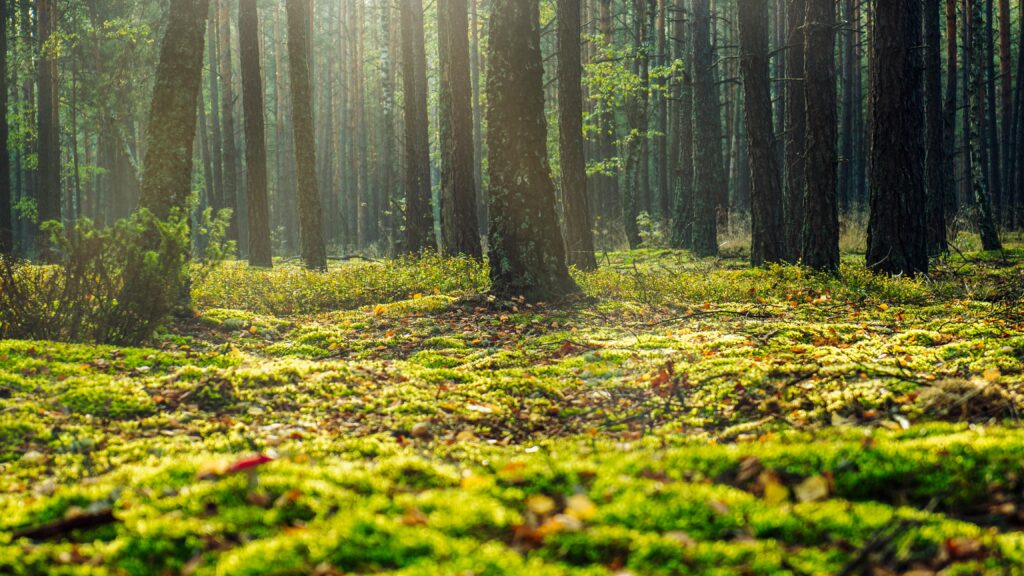
A serene forest view in Wielbark, Poland with sunlight filtering through the trees.

The Boreal Forest: The World’s Largest Intact Forest Ecosystem Is Under Threat

Imagine a vast, emerald green crown encircling the top of our planet. That’s the boreal forest, a sprawling wilderness that stretches across North America and Eurasia. It’s the largest intact forest ecosystem on Earth, a vital green lung that plays a crucial role in regulating our planet’s climate and providing habitat for countless species. But this incredible ecosystem is facing a barrage of threats, and its future hangs in the balance.

A Global Treasure: More Than Just Trees

The boreal forest isn’t just a collection of trees. It’s a complex tapestry of life, with interwoven wetlands, rivers, and lakes teeming with biodiversity. From the iconic moose to the elusive lynx, from the soaring eagles to the tiny songbirds, the boreal is a haven for wildlife.

And it’s not just about the animals. The boreal forest provides essential ecosystem services that benefit us all:

  • Carbon Storage: The boreal forest is a massive carbon sink, absorbing more carbon from the atmosphere than any other terrestrial ecosystem. This helps to mitigate climate change and keep our planet cool.
  • Water Regulation: The boreal’s vast network of wetlands and peatlands acts like a giant sponge, filtering water and regulating its flow. This ensures clean water for communities and wildlife alike.
  • Biodiversity Hotspot: The boreal forest is home to a staggering array of plant and animal species, many of which are found nowhere else on Earth. This biodiversity is essential for the health of the planet.

The Threats Are Real: A Forest Under Siege

Despite its vastness and resilience, the boreal forest is under increasing pressure from human activities. The main culprits?

  • Climate Change: Rising temperatures, altered precipitation patterns, and increased frequency of extreme weather events are 1 all taking a toll on the boreal forest. Think of it like this: the boreal is used to a certain rhythm, and climate change is throwing it offbeat.   1. www.kryptstep.com www.kryptstep.com
  • Industrial Development: Logging, mining, and oil and gas extraction are fragmenting the forest, destroying habitat, and polluting the environment. It’s like carving up a masterpiece and leaving scars across the canvas.
  • Habitat Loss: As the human footprint expands, the boreal forest is being carved up for roads, settlements, and agriculture. This leaves less and less space for wildlife to thrive.

The Urgent Need for Conservation: Protecting Our Green Legacy

The boreal forest is at a crossroads. We can continue down the path of unsustainable development, jeopardizing this vital ecosystem and the services it provides. Or we can choose a different path, one that prioritizes conservation and sustainable use.

Protecting the boreal forest isn’t just about preserving trees. It’s about safeguarding our planet’s climate, ensuring clean water for future generations, and protecting the incredible diversity of life that calls this forest home.

Conclusion: A Call to Action

The boreal forest is a global treasure, a vital part of our planet’s life support system. It’s time to recognize its importance and take action to protect it. We need to work together – governments, industry, Indigenous communities, and individuals – to ensure a healthy and vibrant future for the boreal forest.

The Boreal Forest: The World’s Largest Intact Forest Ecosystem Is Under Threat Read More »

home, people, indigenous people

Indigenous Communities Are Leading the Way in Boreal Forest Conservation – Here’s How

The boreal forest has been a home to Indigenous peoples for millennia. It’s not just a source of sustenance, but a place of deep spiritual and cultural significance. And let me tell you, no one understands this intricate ecosystem better than the people who have lived in harmony with it for generations. Indigenous communities are at the forefront of boreal forest conservation, and their traditional knowledge and practices are invaluable in our efforts to protect this vital ecosystem.

Traditional Ecological Knowledge (TEK): A Treasure Trove of Wisdom

Traditional Ecological Knowledge, or TEK, is a body of knowledge, practices, and beliefs accumulated by Indigenous peoples over centuries of interaction with their environment. It’s a holistic understanding of the interconnectedness of all living things, passed down through generations of careful observation and experience.

I remember once visiting an Indigenous community in northern Canada and learning about their traditional fishing practices. They had a deep understanding of the fish populations, their migration patterns, and the delicate balance of the ecosystem. They knew exactly when and where to fish to ensure the long-term sustainability of the resource. This kind of knowledge is invaluable for conservation efforts.

TEK provides crucial insights into the boreal forest ecosystem, including:

  • Sustainable Harvesting: Indigenous communities have developed sustainable harvesting techniques for plants, animals, and other resources, ensuring that they are available for future generations.
  • Controlled Burning: Many Indigenous communities use controlled burning to manage the forest, promoting biodiversity and reducing the risk of wildfires.
  • Wildlife Management: Indigenous peoples have a deep understanding of wildlife behavior and population dynamics, which is essential for effective conservation.

Indigenous-led Conservation Initiatives: Guardians of the Forest

Across the boreal region, Indigenous communities are leading the way in conservation. They are establishing Indigenous Protected and Conserved Areas (IPCAs), developing land-use plans, and monitoring the health of the ecosystem. These initiatives are not only protecting the boreal forest but also strengthening Indigenous self-determination and cultural revitalization.

One inspiring example is the Indigenous Guardians program, where Indigenous communities are empowered to manage and protect their traditional territories. These guardians are the eyes and ears on the ground, monitoring wildlife, restoring habitats, and educating others about the importance of conservation.

Challenges and Opportunities: Working Together for a Shared Future

Despite their invaluable contributions, Indigenous communities face significant challenges in protecting their traditional territories. These include:

  • Land encroachment: Industrial development, such as mining and logging, often encroaches on Indigenous lands, threatening their way of life and the health of the ecosystem.
  • Climate change: The boreal forest is particularly vulnerable to climate change, with impacts such as increased wildfires and insect outbreaks.
  • Lack of resources: Many Indigenous communities lack the resources and support they need to effectively manage their lands and protect the boreal forest.

However, there are also tremendous opportunities for collaboration between Indigenous communities, governments, and conservation organizations. By working together, we can ensure that Indigenous knowledge and leadership are at the forefront of boreal forest conservation.

Conclusion: Honoring Indigenous Knowledge and Leadership

The boreal forest is a global treasure, and its protection is essential for the health of the planet. Indigenous communities have been stewards of this land for millennia, and their knowledge and practices are essential for its continued well-being. By recognizing and supporting Indigenous leadership in conservation, we can ensure a healthy and vibrant future for the boreal forest.

Indigenous Communities Are Leading the Way in Boreal Forest Conservation – Here’s How Read More »