Boreal Forest Soil Microbiology
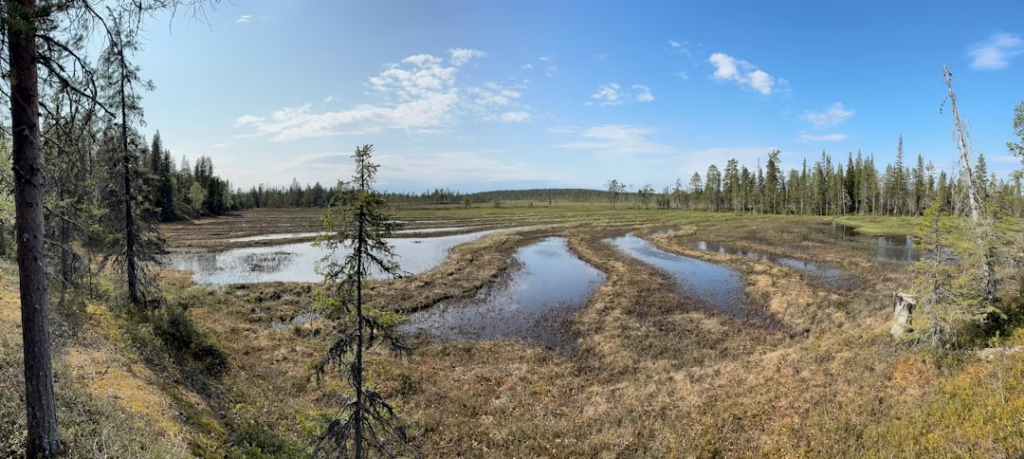
The boreal forest, a vast and complex ecosystem, covers nearly 17% of the Earth’s land surface, playing a crucial role in the planet’s carbon cycle and supporting a wide range of Taiga wildlife and plants. The boreal forest soil microbiology is a key component of this system, influencing the forest’s ability to sequester carbon and support biodiversity. As we delve into the fascinating world of boreal forest soil microorganisms, it becomes clear that these tiny organisms are the unsung heroes of the forest ecosystem. With their ability to break down organic matter and recycle nutrients, they are essential for maintaining the health and resilience of the forest.
The Importance of Boreal Forest Soil Microorganisms
Boreal forest soil microbiology is a vital aspect of the forest ecosystem, with microorganisms such as bacteria and fungi working together to break down organic matter, recycle nutrients, and support plant growth. This complex process is essential for maintaining the health and resilience of the forest, and is critical for carbon sequestration in northern forests. The boreal forest ecosystem is a delicate balance of microorganisms, plants, and animals, all working together to create a thriving and diverse environment.
Microbial Communities and Their Functions
The boreal forest is home to a diverse range of microorganisms, each with their own unique functions and roles. From decomposers to symbionts, these microorganisms work together to create a complex network of relationships that are essential for forest function. For example, mycorrhizal fungi form symbiotic relationships with tree roots, providing essential nutrients in exchange for carbohydrates. This complex network of relationships is critical for the health and resilience of the forest, and is essential for maintaining the balance of the boreal forest ecosystem.
Soil Microorganisms and Carbon Sequestration
Soil microorganisms play a critical role in the carbon sequestration in northern forests, with the ability to break down organic matter and store carbon in the soil. This process is essential for mitigating the effects of climate change, and is critical for maintaining the health and resilience of the forest. The boreal forest is a significant carbon sink, with the ability to store large amounts of carbon in the soil and vegetation. However, this process is under threat from boreal forest climate change impact, which is altering the delicate balance of the forest ecosystem.
The Impact of Climate Change on Boreal Forest Soil Microorganisms
Climate change is having a profound impact on the boreal forest ecosystem, with rising temperatures and changing precipitation patterns altering the delicate balance of the forest and its soil microorganisms. This can have significant consequences for the forest’s ability to sequester carbon and support biodiversity. The boreal forest is a sensitive ecosystem, and is particularly vulnerable to the impacts of climate change. As the climate continues to change, it is essential that we take action to mitigate the effects of boreal forest climate change impact on the forest ecosystem.
Changes in Soil Temperature and Moisture
Changes in soil temperature and moisture are having a significant impact on the composition and function of microbial communities in boreal forests. As the climate warms, the soil is drying out, altering the balance of microorganisms and reducing the forest’s ability to sequester carbon. This can have significant consequences for the health and resilience of the forest, and is critical for maintaining the balance of the boreal forest ecosystem. The impacts of climate change on soil microorganisms are far-reaching, and can have significant consequences for the entire forest ecosystem.
Implications for Forest Health and Resilience
The impacts of climate change on boreal forest soil microorganisms can have significant consequences for the health and resilience of the forest. As the climate continues to change, it is essential that we take action to mitigate the effects of boreal forest climate change impact on the forest ecosystem. This can include implementing sustainable forestry practices, such as reduced impact logging and soil conservation, to minimize damage to soil microorganisms and maintain soil health. By taking action to protect the boreal forest ecosystem, we can help to maintain the health and resilience of the forest, and ensure the long-term sustainability of this critical ecosystem.
The Role of Sustainable Forestry Practices in Maintaining Healthy Soil Microorganisms
Sustainable forestry practices are essential for maintaining the health and diversity of boreal forest ecosystems, including the soil microorganisms that are critical for forest function and resilience. By implementing practices such as reduced impact logging and soil conservation, we can help to minimize damage to soil microorganisms and maintain soil health. This is critical for maintaining the balance of the boreal forest ecosystem, and is essential for ensuring the long-term sustainability of this critical ecosystem.
Reduced Impact Logging and Soil Conservation
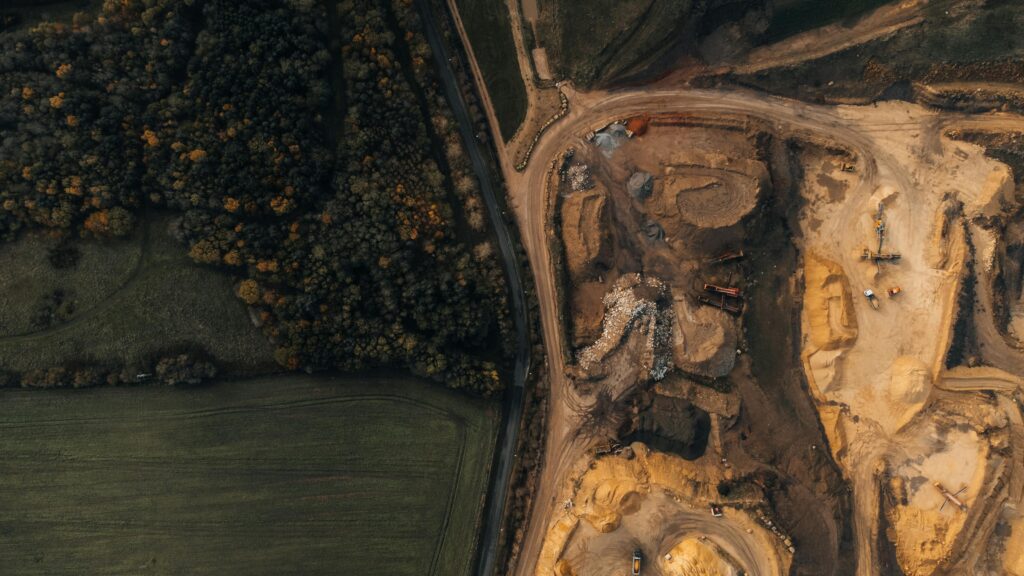
Reduced impact logging and soil conservation techniques can help to minimize damage to soil microorganisms and maintain soil health. This can include practices such as selective logging, where only certain trees are harvested, and soil conservation, where the soil is protected from erosion and damage. By implementing these practices, we can help to maintain the health and diversity of the boreal forest ecosystem, and ensure the long-term sustainability of this critical ecosystem.
The Importance of Maintaining Forest Floor Integrity
Maintaining the integrity of the forest floor is critical for supporting soil microorganisms and maintaining soil health. This can include preserving leaf litter and other organic materials, which provide essential nutrients and habitat for microorganisms. By maintaining the integrity of the forest floor, we can help to support the complex network of relationships between microorganisms, plants, and animals that are essential for forest function and resilience.
The Interactions Between Boreal Forest Soil Microorganisms and Wildlife
The boreal forest is home to a wide range of wildlife, from small mammals and birds to large ungulates, all of which interact with the soil microorganisms in complex and important ways. Soil microorganisms play a critical role in the nutrition and health of many forest species, and are essential for maintaining the balance of the boreal forest ecosystem. By understanding these interactions, we can better appreciate the importance of soil microorganisms in maintaining the health and resilience of the forest ecosystem.
The Role of Soil Microorganisms in Nutrient Cycling
Soil microorganisms play a critical role in nutrient cycling in boreal forests, with the ability to break down organic matter and recycle nutrients. This process is essential for supporting the growth and development of plants and animals, and is critical for maintaining the balance of the boreal forest ecosystem. By understanding the role of soil microorganisms in nutrient cycling, we can better appreciate the importance of these tiny organisms in maintaining the health and resilience of the forest ecosystem.
In conclusion, the boreal forest soil microbiology is a complex and fascinating world, with microorganisms playing a critical role in maintaining the health and resilience of the forest ecosystem. As we move forward, it is essential that we take action to protect the boreal forest ecosystem, including implementing sustainable forestry practices and mitigating the effects of boreal forest climate change impact. By working together, we can help to maintain the health and diversity of the boreal forest ecosystem, and ensure the long-term sustainability of this critical ecosystem. Take action today to protect the boreal forest and its incredible soil microorganisms – the future of our planet depends on it.