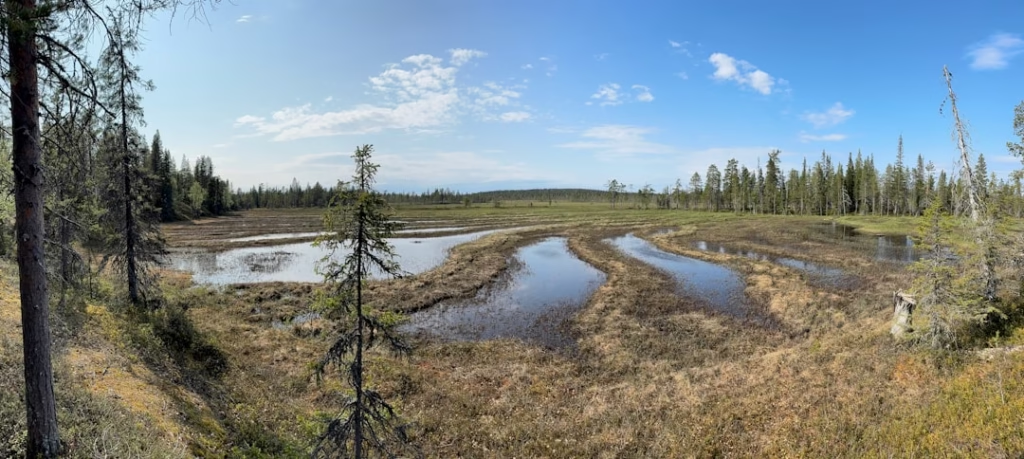
The boreal forest ecosystem, a vast and mysterious realm, covers nearly 17 percent of the world’s land surface, yet it remains one of the most underappreciated and misunderstood biomes on the planet. Characterized by its unique boreal forest ecosystem characteristics, this ecosystem plays a critical role in regulating the global climate and supporting a wide range of plant and animal species. In this article, we will delve into the fascinating world of boreal forest ecosystems and explore some mind-blowing facts that will change the way you think about these northern forests. From the Taiga wildlife and plants that call the boreal forest home, to the importance of carbon sequestration in northern forests, we will examine the intricate web of relationships that define this ecosystem.
Characteristics of Boreal Forest Ecosystems
Boreal forest ecosystem characteristics are unique and fascinating, from the dominance of coniferous tree species to the harsh and unforgiving climate. This section will explore the key features that define these ecosystems. The boreal forest is a complex and dynamic system, shaped by the interactions between tree species, soil, and hydrology.
Tree Species and Forest Structure
The types of tree species found in boreal forests, such as spruce, fir, and pine, have adapted to the challenging climate and soil conditions. These tree species play a critical role in shaping the forest structure and function, and are a key component of the boreal forest ecosystem.
Soil and Hydrology
The importance of permafrost, peatlands, and wetlands in boreal forests cannot be overstated, as they impact the ecosystem’s overall health and function. These features are critical components of the boreal forest ecosystem characteristics, and play a key role in regulating the global climate.
Taiga Wildlife and Plants
The boreal forest is home to a vast array of plant and animal species, many of which are found nowhere else on Earth. This section will highlight some of the most interesting and iconic species that call the taiga home. From the majestic bears and wolves, to the humble lichens and mosses, the Taiga wildlife and plants are a key component of the boreal forest ecosystem.
Iconic Species of the Boreal Forest
The role of species such as bears, wolves, and moose in shaping the ecosystem is multifaceted, and the impact of human activities on their populations is a major concern. These iconic species are a key component of the boreal forest ecosystem, and play a critical role in maintaining the balance of the ecosystem.
Adaptations of Plants in the Boreal Forest
The unique adaptations of plants such as lichens, mosses, and conifers enable them to survive and thrive in the harsh boreal forest environment. These adaptations are a key component of the boreal forest ecosystem characteristics, and play a critical role in regulating the global climate.
Carbon Sequestration in Northern Forests
The boreal forest plays a critical role in the global carbon cycle, and is a key component of the carbon sequestration in northern forests. The mechanisms by which these ecosystems sequester and store carbon are complex and multifaceted, and are critical for mitigating the impacts of climate change. Preserving and restoring boreal forests is a critical strategy for reducing greenhouse gas emissions and promoting sustainable development.
Sustainable Forestry Practices in the Boreal Forest
The impact of human activities such as logging, mining, and agriculture on boreal forest ecosystems is significant, and the need for sustainable forestry practices that balance human needs with environmental protection is critical. This section will examine the importance of certification and regulation in promoting sustainable forestry practices in the boreal forest.
Certification and Regulation
The role of certification schemes and government regulations in promoting sustainable forestry practices in the boreal forest is multifaceted. These initiatives play a critical role in ensuring that forestry practices are environmentally responsible and socially acceptable.
Boreal Forest Climate Change Impact
The boreal forest is particularly vulnerable to the impacts of climate change, from rising temperatures to changes in precipitation patterns. This section will examine the potential consequences for these ecosystems, and the importance of promoting sustainable forestry practices to mitigate the impacts of climate change.
Consequences for Biodiversity and Ecosystem Function
The potential impacts of climate change on the distribution and abundance of plant and animal species in the boreal forest are significant, and the resulting consequences for ecosystem function and resilience are far-reaching. The boreal forest ecosystem is at risk of being irreparably damaged, and the need for urgent action to protect these ecosystems is critical.
In conclusion, the boreal forest ecosystem is a complex and dynamic system that plays a critical role in regulating the global climate and supporting a wide range of plant and animal species. To protect these ecosystems, it is essential that we promote sustainable forestry practices and reduce our impact on the environment. We must take action to preserve and restore the boreal forest, and to mitigate the impacts of climate change on these ecosystems. By working together, we can ensure the long-term health and resilience of the boreal forest ecosystem, and promote a more sustainable future for all. Take action today to protect the boreal forest, and to preserve the natural beauty and wonder of this incredible ecosystem.